

Indoor Off-Season Readiness and Spring Preparation
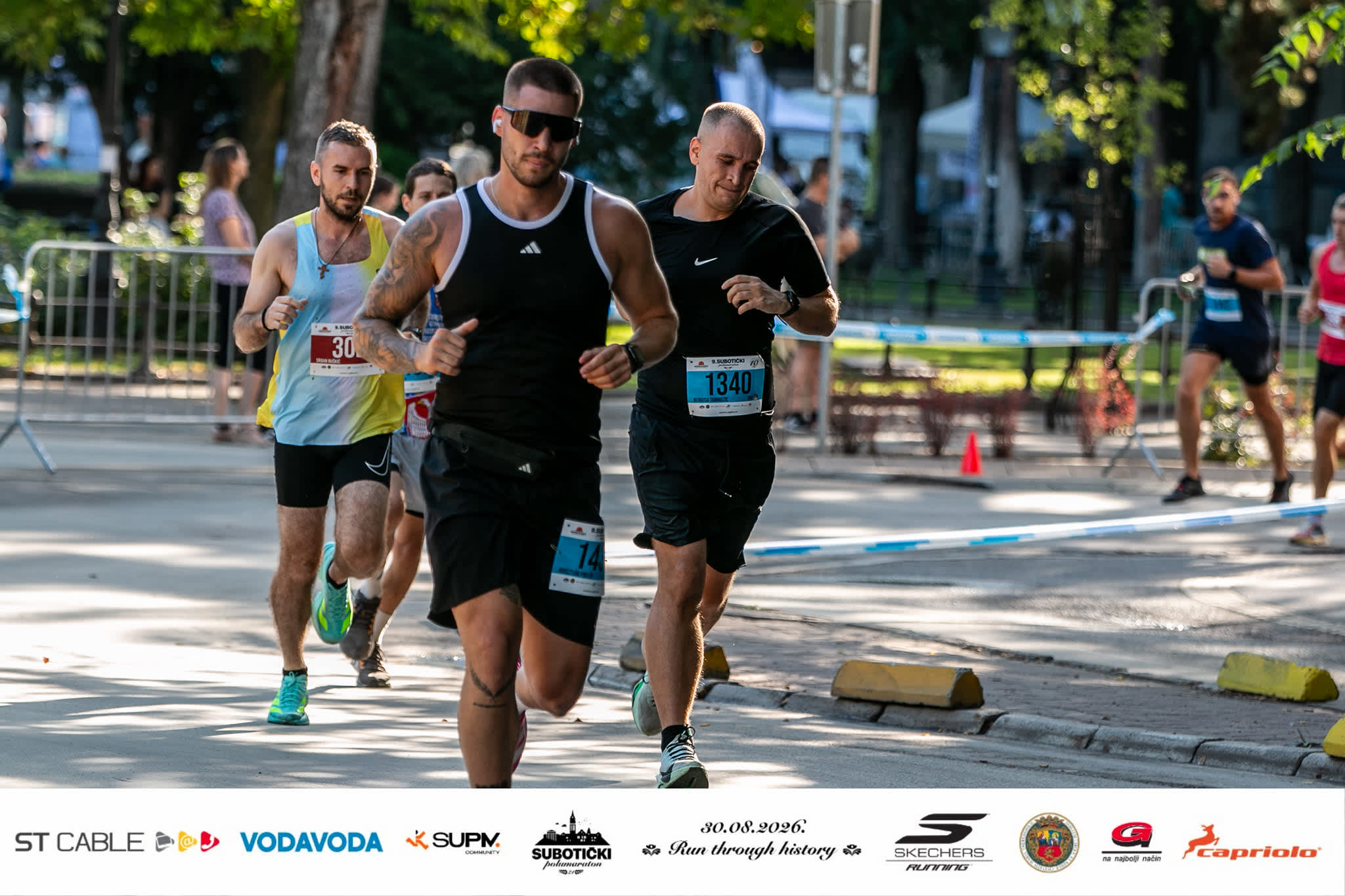
As the autumn chill deepens and the final echoes of the Subotica Half Marathon fade into memory, the rhythm of a runner’s year undergoes a fundamental shift. For months, our lives were dictated by asphalt, open skies, and the relentless pursuit of race-day PRs. But as temperatures drop and frost begins to coat the early morning grass, outdoor mileage naturally recedes. This transition is not a retreat, rather, it is a necessary evolution. The winter months are where true resilience is forged, laying the quiet, invisible foundation that will eventually carry us across spring finish lines with renewed power.

The transition from high-volume road running to the off-season demands a deliberate change in mindset. Too many runners make the mistake of either hanging up their shoes entirely until the first warm days of April or attempting to maintain high-intensity summer paces through freezing rain and icy gales. Both approaches lead to the same destination – burnout or injury. Instead, the colder months should be embraced as a structured period of physical renewal. It is time to step off the stopwatch, step away from the pressure of continuous pacing, and turn our focus inward, both literally and figuratively.
At the heart of any successful winter off-season is the deliberate cultivation of a strong trenažna baza through alternative and supportive conditioning. When pounding frozen pavement becomes hazardous or counterproductive, the gym floor and indoor training spaces become our sanctuary. This is the ideal window to address the muscular imbalances and structural weaknesses that high-mileage road running inevitably exposes. Single-leg strength work, such as Bulgarian split squats, controlled step-ups, and stability drills, replaces monotonous high-mileage blocks, ensuring that hips, glutes, and stabilizers are bulletproofed against the demands of the upcoming season. Combined with targeted core stability and controlled resistance training using dumbbells or heavy elastic bands, this period builds a robust chassis capable of handling future speedwork without breaking down.
Beyond strength training, winter is the season to refine movement efficiency and maintain aerobic conditioning through cross-training. For many runners, this means shifting the kinetic rhythm indoors or onto controlled surfaces, focusing on cadence, posture, and form without the disruptive impact of hard winter asphalt. It is also a period for mental restoration. Running through the dark, crisp mornings requires a different kind of discipline, one rooted in patience and consistency rather than flashing race splits. By embracing the slower, methodical cadence of winter preparation, we allow our tendons, joints, and nervous systems to fully recover from the grueling demands of the racing season.

When spring finally arrives, when the days grow longer and the first warm breezes sweep across the plains, the runner who spent the winter months wisely does not have to start from scratch. He returns to the road not as someone trying to regain lost fitness, but as a transformed athlete—structurally stronger, balanced, mentally refreshed, and quietly confident. Winter spent indoors was never a pause in the journey, it was a “construction site” where fitness for the new season was being quietly built.