

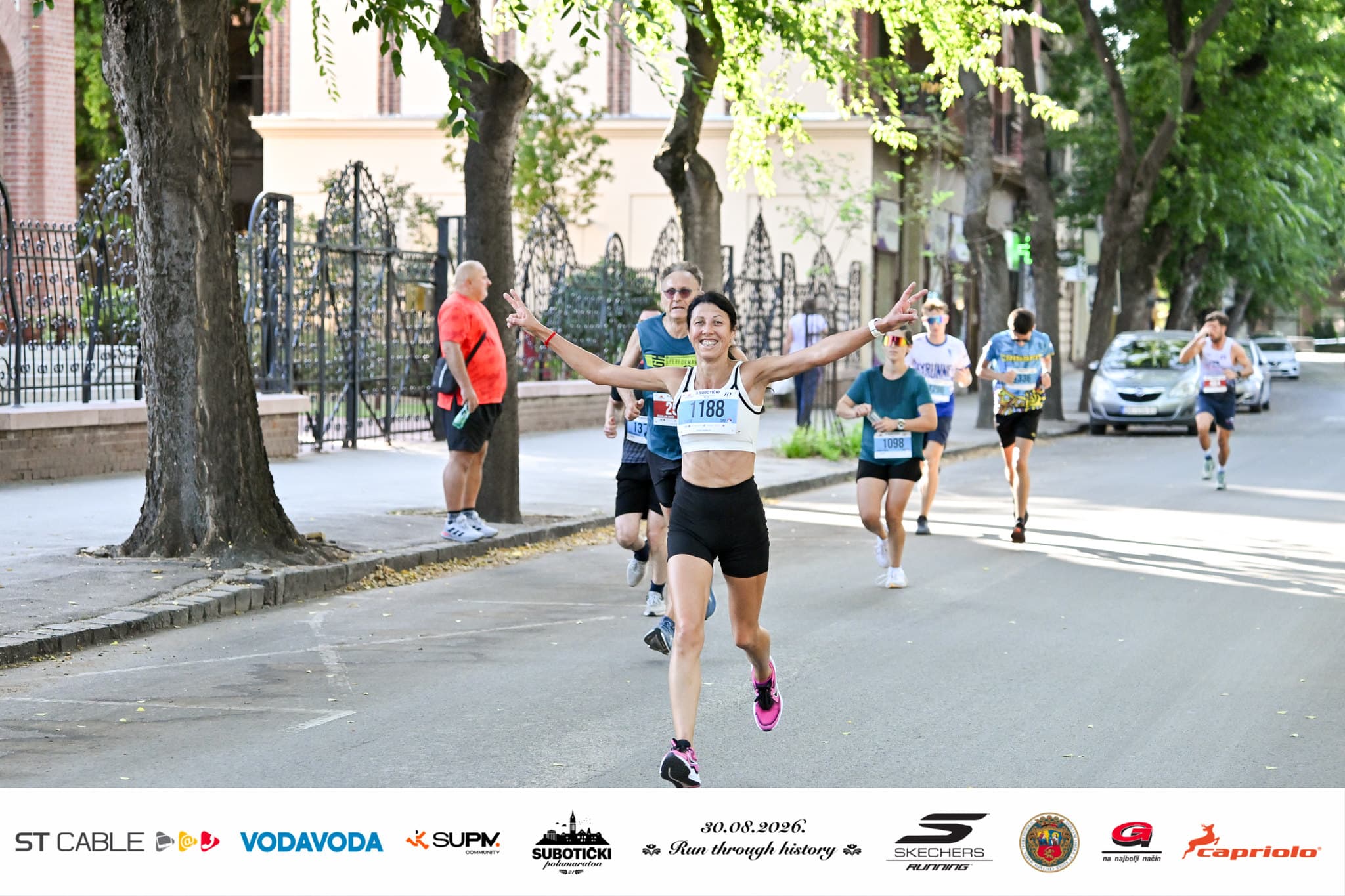
A Guide to Gear, Footwear, and Safety for Autumn and Winter Running
As temperatures in Subotica drop sharply and the days grow shorter, the outdoor running season doesn’t have to come to an end. On the contrary, transitioning into the colder months brings a special charm, along with challenges that require a smart approach to gear and personal safety. Whether you are running along Lake Palić or through city streets as the fog rolls in, the key to success lies in clever, layered clothing, adequate footwear, and high visibility for all other traffic participants.
The golden rule of winter running is the “three-layer” principle. Forget thick cotton tracksuits that absorb sweat and chill the body; instead, choose the right materials. The first layer (base layer) should be synthetic or, ideally, made of merino wool, which wicks moisture away from the skin. The middle layer serves as insulation to retain heat, while the outer layer (a jacket or vest) protects against wind and light rain while allowing the body to “breathe.” Don’t forget your head and hands—a beanie and thin gloves protect the extremities from the biting cold, as these are the areas where the body loses heat most easily.
When it comes to footwear, winter brings slippery surfaces, damp leaves, and occasional frost, snow, and ice, meaning that ordinary sneakers with flat soles are no longer an option. The ideal choice is a model with a deeper, more aggressive tread pattern on the outsole to ensure reliable grip and prevent slipping. Additionally, choose running shoes with less mesh fabric on the upper or those with waterproof membranes to stop cold wind and moisture from reaching your toes. Pair them with high-quality synthetic or wool socks that keep your feet warm. A single pair will do; you don’t want your foot sliding around inside the shoe.
Another crucial aspect is safety in low-visibility conditions. With early nights and foggy mornings, drivers will find it harder to spot you. Reflective elements on your footwear and clothing are not a luxury but a necessity, and a lightweight LED headlamp will make you visible from a much greater distance. Adjust your route, watch out for hidden ice on the sidewalks, and enjoy every step.

Finally, there is the question of workout duration and pacing during cold days. As we have mentioned before, winter is not the time to break personal records on long distances or push through exhausting workouts. Focus on shorter, more moderate sessions lasting between 30 and 45 minutes, which are more than enough to maintain fitness without overexposing yourself to the cold air. As for the pace, it should be steady, remaining in the so-called “moderate zone.” Avoid sudden accelerations and high-intensity intervals in low temperatures, as they put too much strain on the airways. Instead, build a stable base and enjoy a rhythm that feels comfortable to you.
In our next story, we will reveal how proper warming-up and cooling-down routines can protect your muscles and joints from winter injuries.